
Ikigai — The Japanese Secret to a Long and Beautiful Life

Ikigai is a Japanese concept that encourages people to find purpose and meaning in everyday life. Today, it has inspired people around the world to think differently about life and happiness. We often hear people ask, “What is the purpose of life?” It sounds like a difficult question, but Ikigai encourages us to find purpose in everyday life instead of searching for one big answer.
Ikigai is often translated as “a reason for being” or “a reason to wake up in the morning.” It doesn’t have to be something extraordinary. For many people, it can be as simple as spending time with family, caring for a garden, creating art, helping others, enjoying a favorite hobby, or doing meaningful work.
Instead of searching for one big life purpose, Ikigai reminds us that meaning can be be found in the small moments we experience every day.
What Does Ikigai Mean?
The Japanese word combines two parts:
- Iki (生き) – life or living
- Gai (甲斐) – value or worth
Together, Ikigai (生き甲斐) refers to something that gives life meaning and makes it worth living.
Every person’s Ikigai is unique. For one person, it might be teaching children. For another, it could be painting, cooking, writing stories, growing vegetables, or simply sharing kindness with neighbors.
There is no single definition because everyone’s Ikigai is different.
A Different Way of Looking at Success
Many people believe success means earning more money, owning expensive things, or reaching impressive goals.
Ikigai offers a quieter way of looking at life.
It reminds us that a meaningful life is often built through consistency, gratitude, strong relationships, curiosity, and enjoying the present moment.
Instead of asking,
“How can I become successful?”
Ikigai gently encourages us to ask,
“What gives my life meaning today?”
That small change in thinking can make a big difference.
The Four Simple Questions
Many people describe Ikigai using four simple questions:
- What do you love?
- What are you good at?
- What does the world need?
- What can support your life?
As you reflect on these questions, you may discover activities that feel meaningful and satisfying.
Some people find all four connected in their careers.
Others discover that their Ikigai has nothing to do with their job.
It may be reading to grandchildren, caring for animals, volunteering, hiking through nature, writing in a journal, or enjoying a peaceful morning walk.
There is no right or wrong answer because Ikigai looks different for everyone.
Lessons from Okinawa
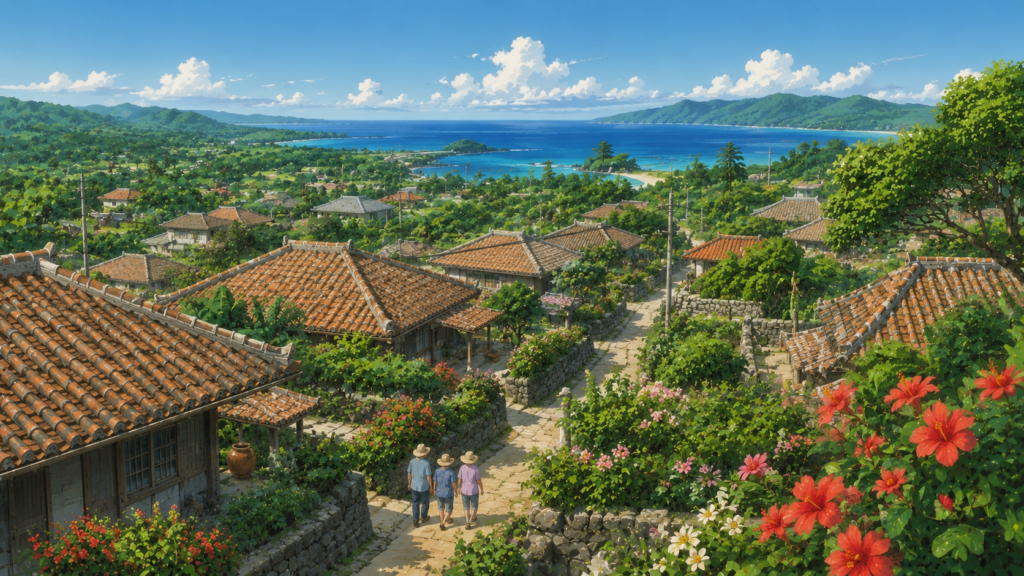
The Japanese island of Okinawa is known for having many people who live long, healthy lives.
Researchers have found that while healthy food and regular movement are important, another common habit is having a strong sense of purpose.
Many older adults continue gardening, practicing crafts, spending time with friends, helping their communities, or learning new skills well into old age.
Having something meaningful to look forward to each day helps them stay active, connected, and engaged with life. This everyday sense of purpose is often seen as one example of Ikigai in daily life.
Small Habits That Reflect Ikigai
You don’t need to change your entire life to experience Ikigai.
Often, it begins with small daily habits that help you notice what truly matters.
You might:
- Enjoy your morning tea without rushing.
- Spend time doing something creative.
- Read a few pages of a good book.
- Take a quiet walk in nature.
- Call someone you care about.
- Learn a new skill.
- Keep a simple gratitude journal.
- Help another person, even in a small way.
These moments may seem ordinary, but together they can create a life filled with meaning. Over time, these simple habits can help you discover your own Ikigai.
Your Ikigai Can Change
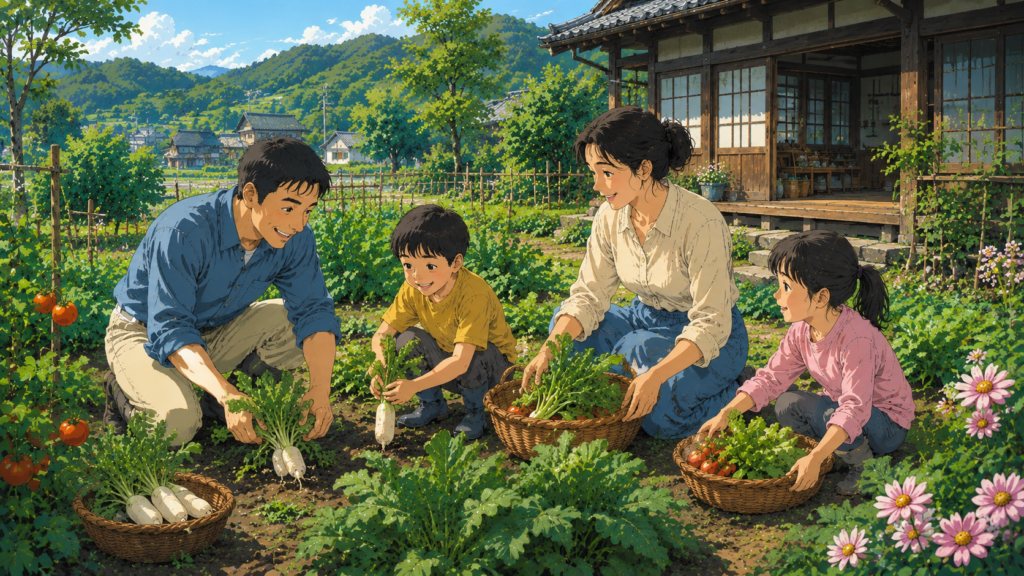
One of the most comforting ideas about Ikigai is that it isn’t fixed forever.
Your purpose today may not be the same as it was ten years ago.
As life changes, your interests, responsibilities, and dreams change too. That’s perfectly natural.
Finding Ikigai is not about reaching a final destination. It’s about continuing to discover what brings meaning to your life at each stage.
Life doesn’t always need grand achievements to feel worthwhile.
Sometimes purpose is found in everyday routines, quiet conversations, creative work, caring for loved ones, or simply watching another sunrise.
Ikigai reminds us that a meaningful life is built one day at a time.
Perhaps your reason for waking up tomorrow isn’t something you need to search far to find.
It may already be waiting in the small moments you’ve been overlooking.
The beauty of Ikigai is that it belongs to everyone.
Whether your joy comes from family, creativity, nature, learning, or helping others, those moments matter.
You don’t need a perfect life to live a meaningful one.
Sometimes, all you need is a small reason to welcome each new day with gratitude.

Have you discovered your Ikigai?
Share in the comments what gives your life meaning, or simply take a quiet moment today to notice one thing that makes you smile.
Note: Many people explain Ikigai using four overlapping questions. While this is a popular modern interpretation, the Japanese idea of Ikigai is broader. It is commonly understood as finding meaning, purpose, and joy in everyday life.
Continue Exploring
Thank you for reading, and see you again at A Story for Today 🌿