
What Is Wabi-Sabi? Understanding the Japanese Philosophy

Why Do Some Things Become More Valuable with Time?
Some things become more valuable with time.
A cracked mug.
A faded photograph.
A weathered wooden bench.
Most people would replace them without a second thought.
Others treasure them.
Why?
Why does an old notebook filled with memories often feel more precious than a brand-new one? Why can a handmade bowl with uneven edges feel more special than one made by a machine?
Perhaps beauty isn’t always found in what is new or flawless.
Perhaps we’ve been looking for beauty in the wrong places.
There is a centuries-old Japanese philosophy that offers a different way of looking at life. It doesn’t encourage us to chase perfection. Instead, it invites us to appreciate simplicity, welcome change, and notice the beauty hidden in everyday moments.
That philosophy is called Wabi-Sabi.
It isn’t just about old objects—it can completely change the way we see ourselves and the world around us.
If you’ve ever wondered, “What is Wabi-Sabi?” you’re in the right place. This article explores what Wabi-Sabi means, where it came from, and why this timeless Japanese philosophy continues to inspire people around the world.
What Is Wabi-Sabi?
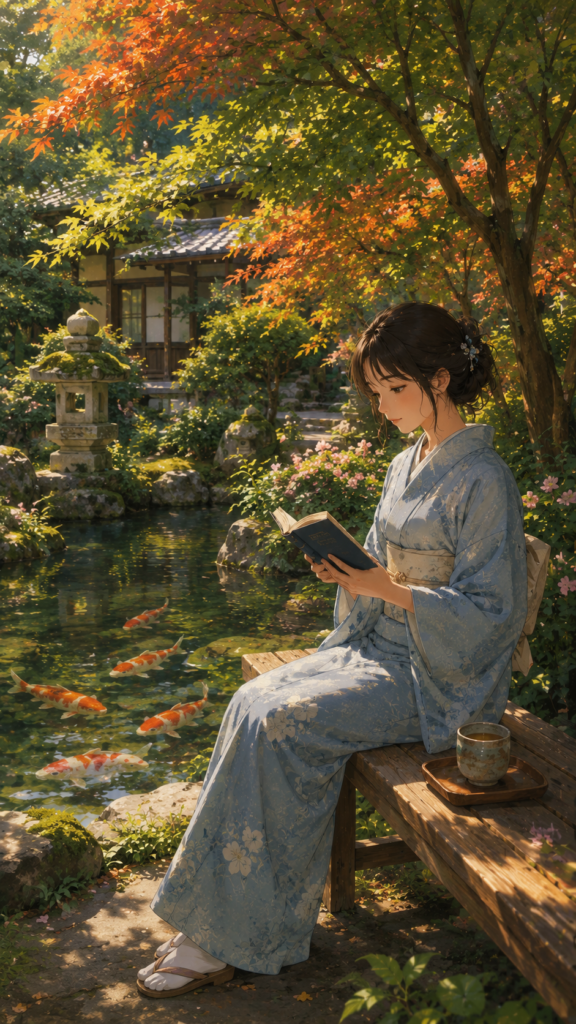
What is Wabi-Sabi? Wabi-Sabi is a traditional Japanese philosophy that teaches us to appreciate simplicity, authenticity, and the natural passage of time.
Instead of chasing a perfect life, Wabi-Sabi reminds us that nothing lasts forever, nothing is ever completely finished, and nothing is truly perfect.
Rather than seeing imperfections as flaws, it encourages us to see them as part of a story.
Think about nature.
No two flowers bloom in exactly the same way.
Every tree grows differently.
The ocean never creates the same wave twice.
Yet we never expect nature to be perfect. We simply admire it for what it is.
Wabi-Sabi invites us to see ourselves in the same way.
Our experiences, mistakes, achievements, and challenges shape who we become. They don’t reduce our value—they give our lives character.
Wabi-Sabi isn’t about fixing what’s broken. It’s about seeing value in what already exists.
Where Did Wabi-Sabi Come From?
Wabi-Sabi has its roots in Japan and has been part of Japanese culture for hundreds of years.
It became closely connected with the Japanese tea ceremony, where handmade bowls, natural materials, and simple surroundings were appreciated more than expensive decorations.
Its ideas were also influenced by Zen Buddhism, which encourages mindfulness, simplicity, and accepting life’s constant changes.
Instead of seeking luxury or perfection, people learned to appreciate quiet moments, natural beauty, and objects that became more meaningful with age.
Even today, many traditional Japanese tea bowls are handcrafted with small variations. Their uniqueness is considered part of their beauty rather than a flaw.
The Meaning of Wabi and Sabi
To better understand what is Wabi-Sabi, it helps to look at the two words separately.
Wabi
Wabi represents the beauty of simplicity.
It encourages us to slow down and enjoy quiet moments instead of constantly searching for more.
Imagine sitting outside on a peaceful morning with a warm cup of tea while listening to birds sing.
Nothing extraordinary is happening.
Yet the moment feels calm and complete.
That simple feeling reflects the spirit of Wabi.
It reminds us that happiness doesn’t always come from having more. Sometimes it comes from appreciating what we already have.
Sabi
Sabi celebrates the beauty that comes with age and time.
An old wooden chair becomes smoother after years of use.
A leather journal develops character with every page written.
A grandmother’s cooking pot may look worn, yet every mark carries memories of meals shared with family.
Instead of seeing age as something to hide, Sabi sees it as a sign of a life well lived.
Together, Wabi and Sabi teach us to appreciate simplicity, memories, and authenticity instead of perfection.
Why Is Wabi-Sabi Important Today?

Today’s world constantly encourages us to keep upgrading.
A newer phone.
A bigger house.
A better job.
A more successful life.
Social media often makes it seem as though everyone else has everything figured out.
It is easy to believe that happiness comes only after we achieve the “perfect” life.
But perfection is an impossible destination.
Life will always include change, mistakes, uncertainty, and new beginnings.
This is why Wabi-Sabi feels so meaningful today.
Instead of asking us to become flawless, it teaches us to become present.
Instead of comparing ourselves with others, it encourages us to appreciate our own journey.
When we stop chasing perfection, we begin noticing the beauty that has been quietly surrounding us all along.
How Can You Practice Wabi-Sabi?
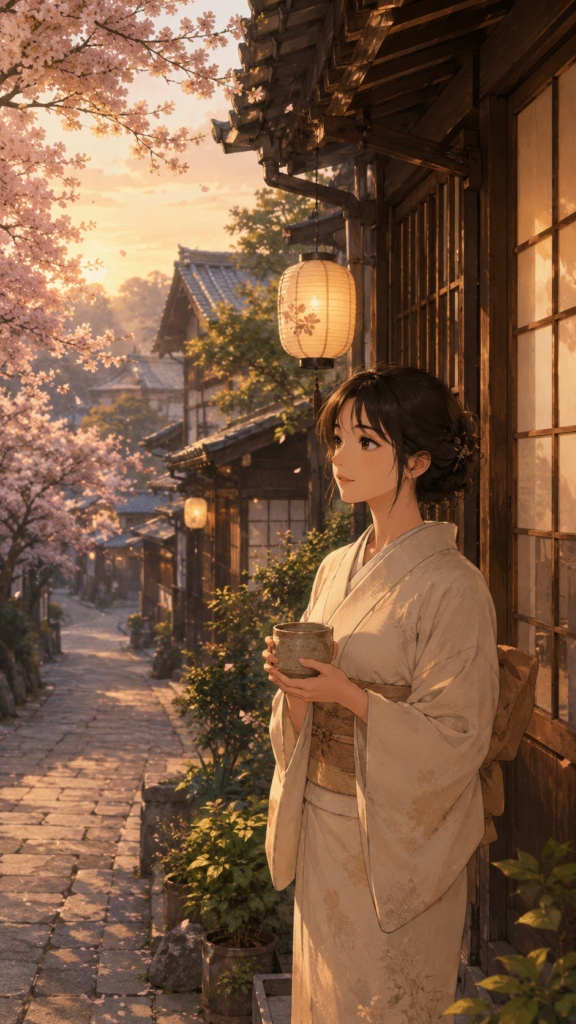
One of the reasons Wabi-Sabi continues to inspire people is because anyone can practice it.
You don’t need expensive decorations or a completely different lifestyle.
Small daily habits are enough.
1. Appreciate Ordinary Moments
Watch the sunrise.
Read a good book.
Enjoy a quiet walk.
Listen to the rain.
Many of life’s happiest memories begin as simple moments we almost overlook.
2. Let Go of Perfection
Not every meal has to look flawless.
Not every photograph needs editing.
Not every plan will succeed.
Allow yourself to make mistakes.
Growth is always more valuable than perfection.
3. Welcome Change
Life is always changing.
Children grow.
Flowers bloom and fade.
The seasons come and go.
Instead of resisting change, learn to welcome it as a natural part of life.
4. Keep Things Simple
A peaceful home doesn’t need expensive furniture.
A meaningful life doesn’t require endless possessions.
Choose what truly adds value to your life and let go of unnecessary clutter.
A simple life often brings a peaceful mind.
5. Treasure Things With Memories
A handwritten letter.
Your first diary.
A gift from someone you love.
An old family photograph.
These things are valuable not because they look new, but because they hold memories that cannot be replaced.
Wabi-Sabi in Everyday Life

You don’t have to visit Japan to experience Wabi-Sabi.
You can notice it almost anywhere.
A cracked flowerpot still growing beautiful flowers.
A pair of well-worn shoes that carried you through unforgettable journeys.
Laugh lines that tell stories of years spent smiling.
The first gray hair that reminds you of everything you’ve learned.
Even rainy days have their own quiet beauty.
Once you begin noticing these small details, you start seeing the world differently.
Instead of focusing on what is missing, you begin appreciating what is already there.
The goal of Wabi-Sabi isn’t to make life perfect. It’s to help us notice the beauty we’ve been overlooking.
Wabi-Sabi and Ikigai
People often compare Wabi-Sabi with Ikigai, another well-known Japanese philosophy.
Although they are different, they complement each other beautifully.
Wabi-Sabi teaches us to appreciate life as it is, with all its imperfections.
Ikigai helps us discover purpose and meaning in our everyday lives.
Together, they encourage us to slow down, live intentionally, and enjoy the journey instead of constantly chasing the destination.
If you enjoyed learning about Wabi-Sabi, you may also enjoy exploring Ikigai and Kaizen, two Japanese philosophies that beautifully complement this way of living.
Frequently Asked Questions
Is Wabi-Sabi a religion?
No. Wabi-Sabi is a philosophy and a way of seeing the world. It is not a religion.
Can anyone practice Wabi-Sabi?
Yes. Anyone can practice Wabi-Sabi by appreciating simple moments, accepting change, and finding beauty in everyday life.
What is the difference between Wabi-Sabi and Ikigai?
Wabi-Sabi teaches us to embrace imperfection and appreciate the present, while Ikigai focuses on finding purpose and meaning in life.
Final Thoughts
So, what is Wabi-Sabi?
It is more than a Japanese philosophy.
It is a gentle reminder that life doesn’t need to be flawless to be meaningful.
The cracked mug on your shelf…
The old tree in your garden…
The faded photograph tucked inside a book…
Even the challenges you’ve overcome…
Each one tells a story that perfection never could.
The world will always encourage you to buy something newer, become someone better, and chase a more perfect life.
Wabi-Sabi quietly offers a different path.
Slow down.
Look around.
Appreciate what already exists.
Because the most meaningful things in life are rarely perfect.
They are simply real.
Continue Your Journey
If you found this article helpful, you may also like exploring these timeless Japanese philosophies:
- Ikigai – Discover how finding purpose can bring more meaning and joy to everyday life.
- Kaizen – Learn how small, consistent improvements can create lasting positive change.
Each philosophy offers a unique perspective, but together they remind us to live with intention, appreciate the present, and continue growing one step at a time.
Note
This article is inspired by the timeless Japanese philosophy of Wabi-Sabi. It is written in simple language to present its ideas in an easy-to-understand way, encouraging reflection and appreciation for everyday life.
Continue Exploring
Thank you for reading, and see you again at A Story for Today 🌿